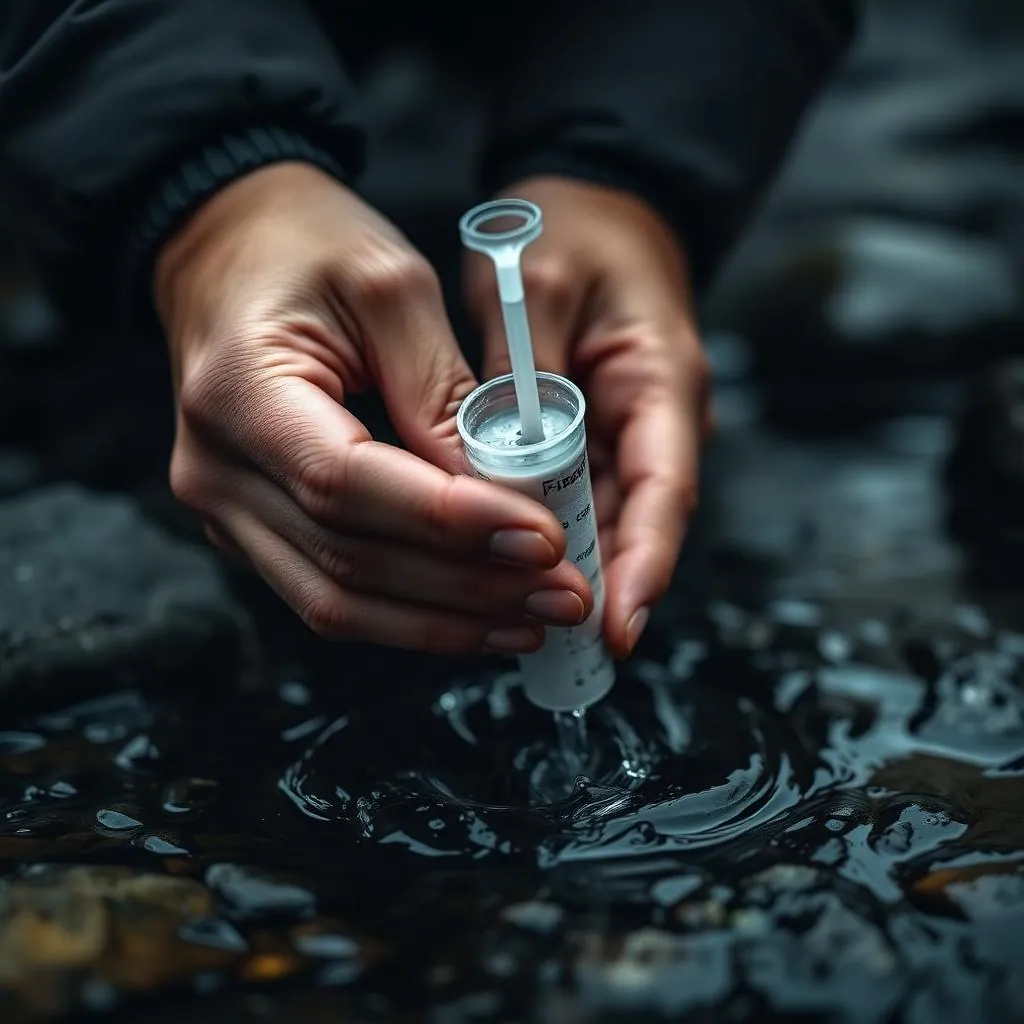
Boiling, tablets, or a filter bottle — a clear comparison for British households when mains supply fails or a boil-notice is issued.
The UK has some of the cleanest mains water in the world, which is exactly why nobody thinks about backup until a boil-notice appears on their phone at 11pm. The 2022 Surrey outage left 30,000 homes without water for four days.
The three real options are boiling, chemical treatment, and mechanical filtration. Boiling for one full minute at a rolling boil kills every pathogen you'll encounter in the UK. It's free and it works — as long as the gas supply and a pot are available.
Chemical tablets (chlorine dioxide, e.g. Aquatabs) treat 1L in 30 minutes, weigh nothing, and store for five years. They don't remove sediment or heavy metals, but for UK tap water contaminated by a burst main they are perfectly sufficient.
A 0.1-micron hollow-fibre filter (LifeStraw, Sawyer Squeeze, Waterdrop) removes bacteria, protozoa and microplastics without power, chemicals or waiting. This is what you actually want if you have to draw from a garden butt or a nearby stream.
Keep 10 litres per person as static reserve — the level the UK Government's Prepare campaign recommends. Rotate every six months. That single decision covers 90% of realistic scenarios before any filter is needed.
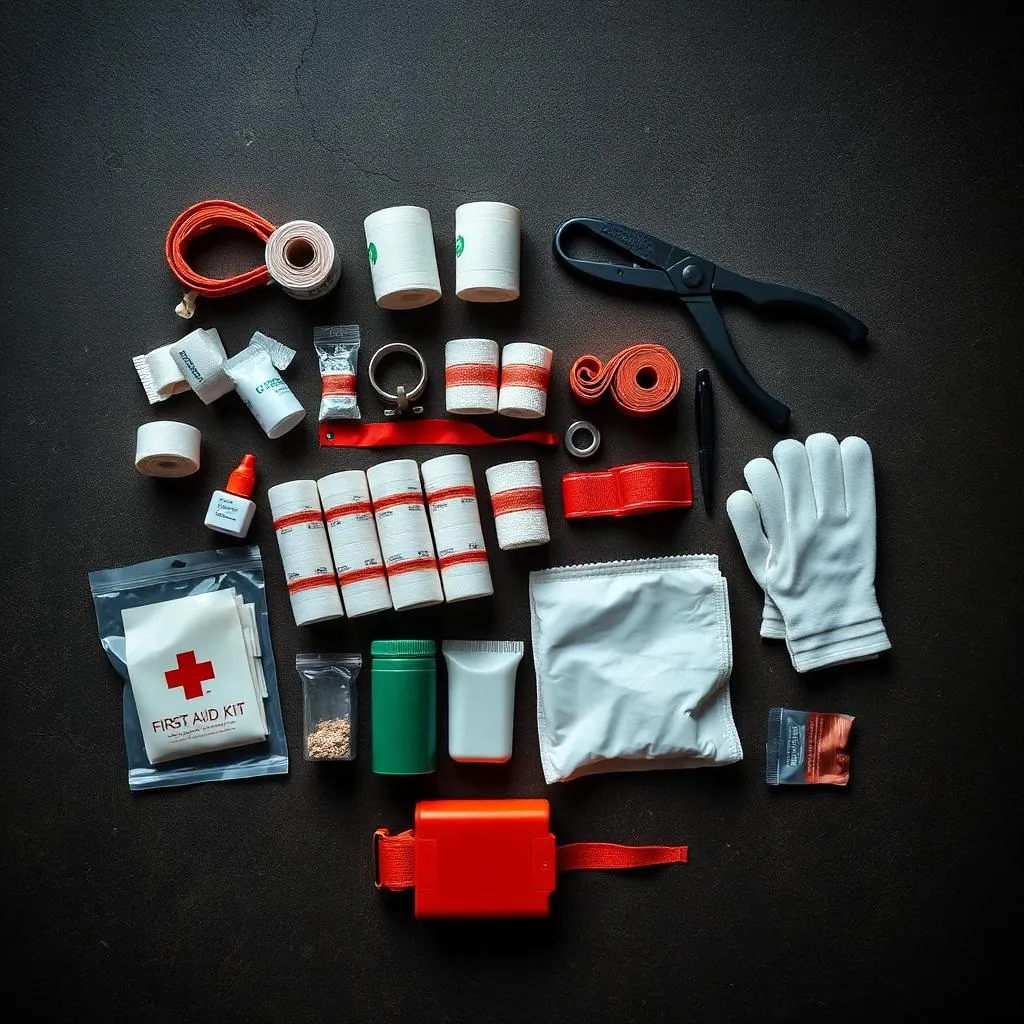
First Aid Kit vs Trauma Kit: What UK Homes Actually Need
One deals with cuts and blisters. The other keeps someone alive until the ambulance arrives. Here's the honest difference — and why you need both.