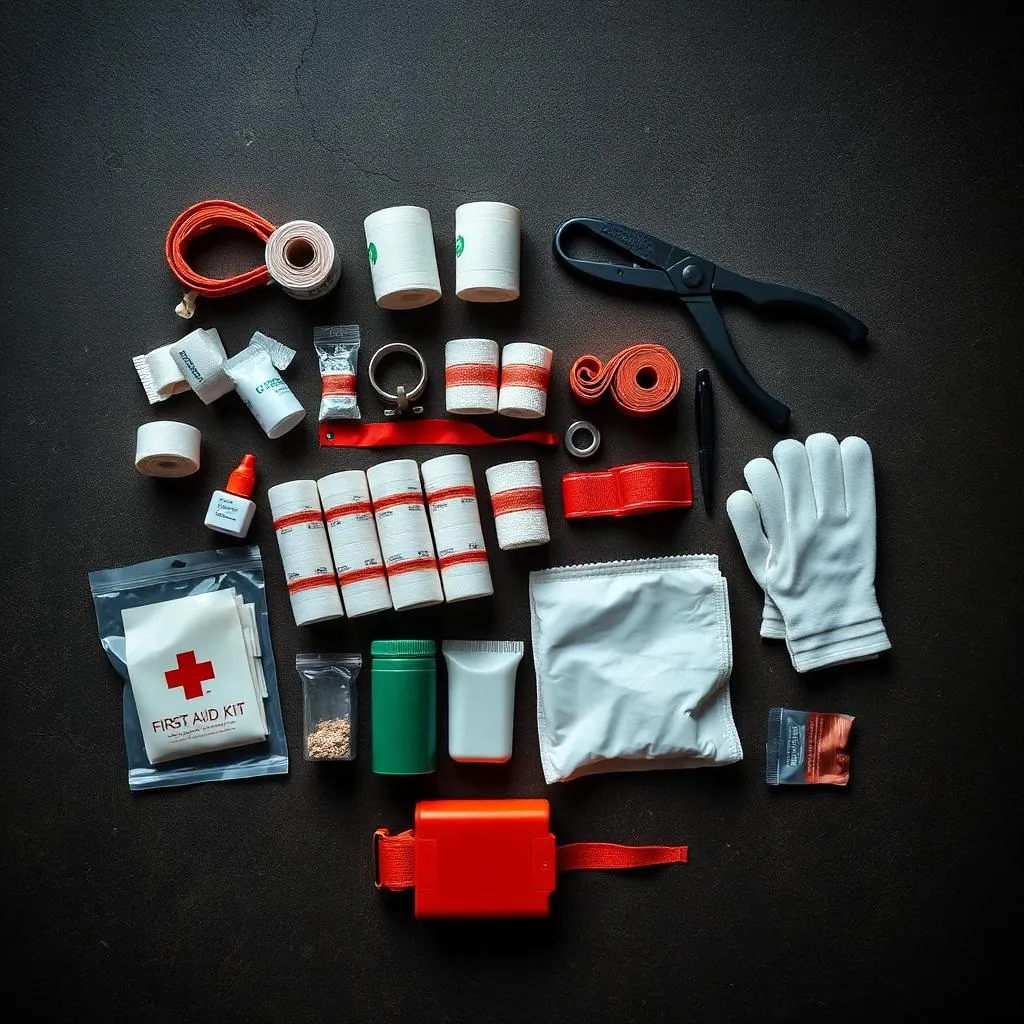
One deals with cuts and blisters. The other keeps someone alive until the ambulance arrives. Here's the honest difference — and why you need both.
A high-street first aid kit is designed for one thing: minor injuries. Plasters, antiseptic wipes, a triangular bandage, some paracetamol. It'll handle 95% of household incidents — a kitchen burn, a scraped knee, a splinter — and it should live in a kitchen drawer.
A trauma kit is a completely different tool. It exists to buy time in the ten to twenty minutes before an ambulance arrives during a catastrophic bleed, a serious burn, or a penetrating chest injury. The core contents — a CAT tourniquet, an Israeli emergency bandage, haemostatic Z-fold gauze, chest seals, a nasopharyngeal airway — are the same items UK first responders carry.
The reason both matter for a UK home is that the response time for a Category 2 ambulance call is a national average of around 30 minutes, and in rural areas it can stretch beyond an hour. Uncontrolled arterial bleeding kills in three to five.
If someone in your house cycles, does DIY with power tools, works in a workshop, or lives more than fifteen minutes from an A&E, a trauma kit is not paranoia. It's proportional.
Train with it. A half-day trauma course teaches you to actually use what's in the pouch. Owning gear you can't deploy under stress is worse than owning nothing.
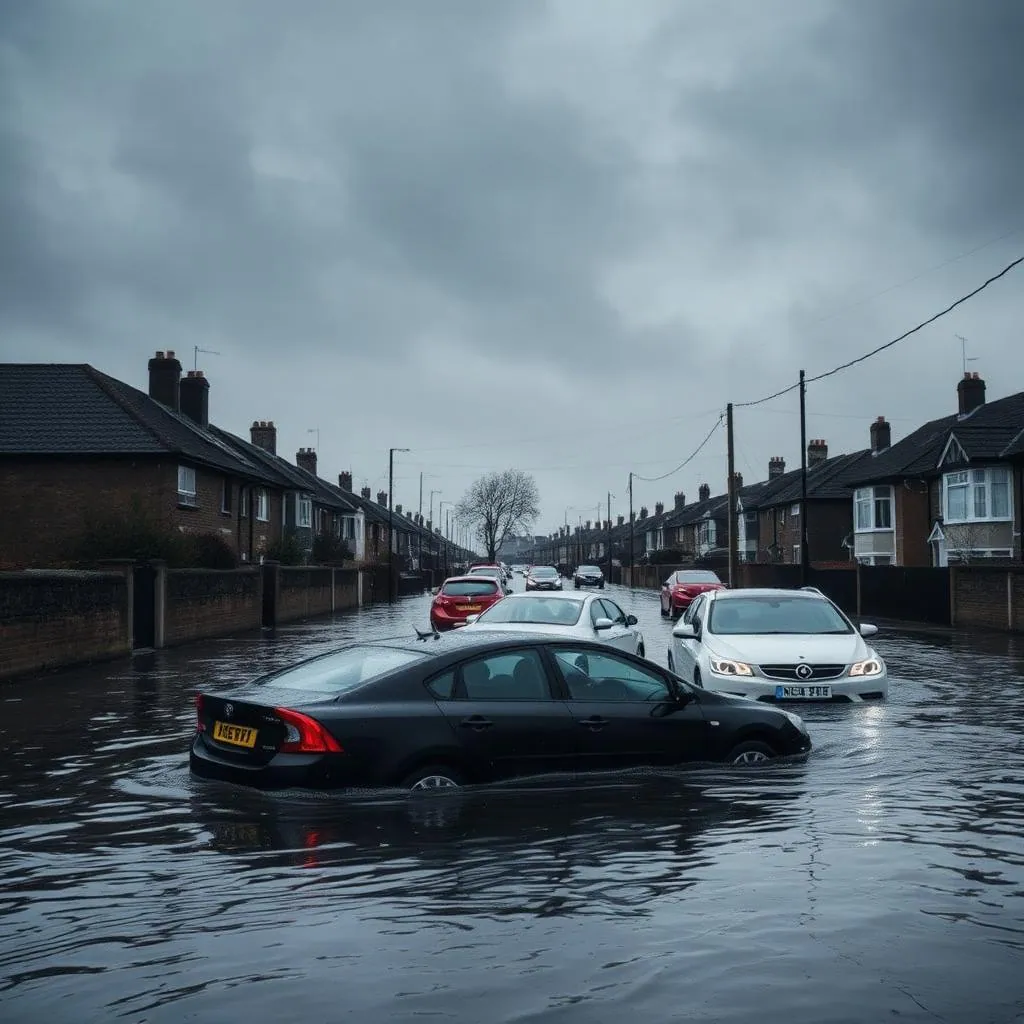
UK Flooding 2026: Why This Year is Different
The Environment Agency has quietly raised the number of at-risk properties by 22% this year. What's driving it, and what it means for household preparedness.