
FREE UK DELIVERY OVER £75NEXT DAY UK DISPATCHFREE US SHIPPING OVER $100UK SOURCED COMPONENTSTRADE ENQUIRIES WELCOMETRACK YOUR ORDER
// Survival Kits

Survival kits, built for UK households.

A survival kit is not a novelty tin of matches. It is the small set of things that keep a household working when the power, the water or the supply chain stops — clean water, wound care, light, protection and a way to cut, fix and carry. Everything below is chosen for UK conditions: flooding, storm outages, industrial incidents and the everyday disruption that has become routine.

Indicative conversion · charged in GBP at checkout

What goes in a survival kit?

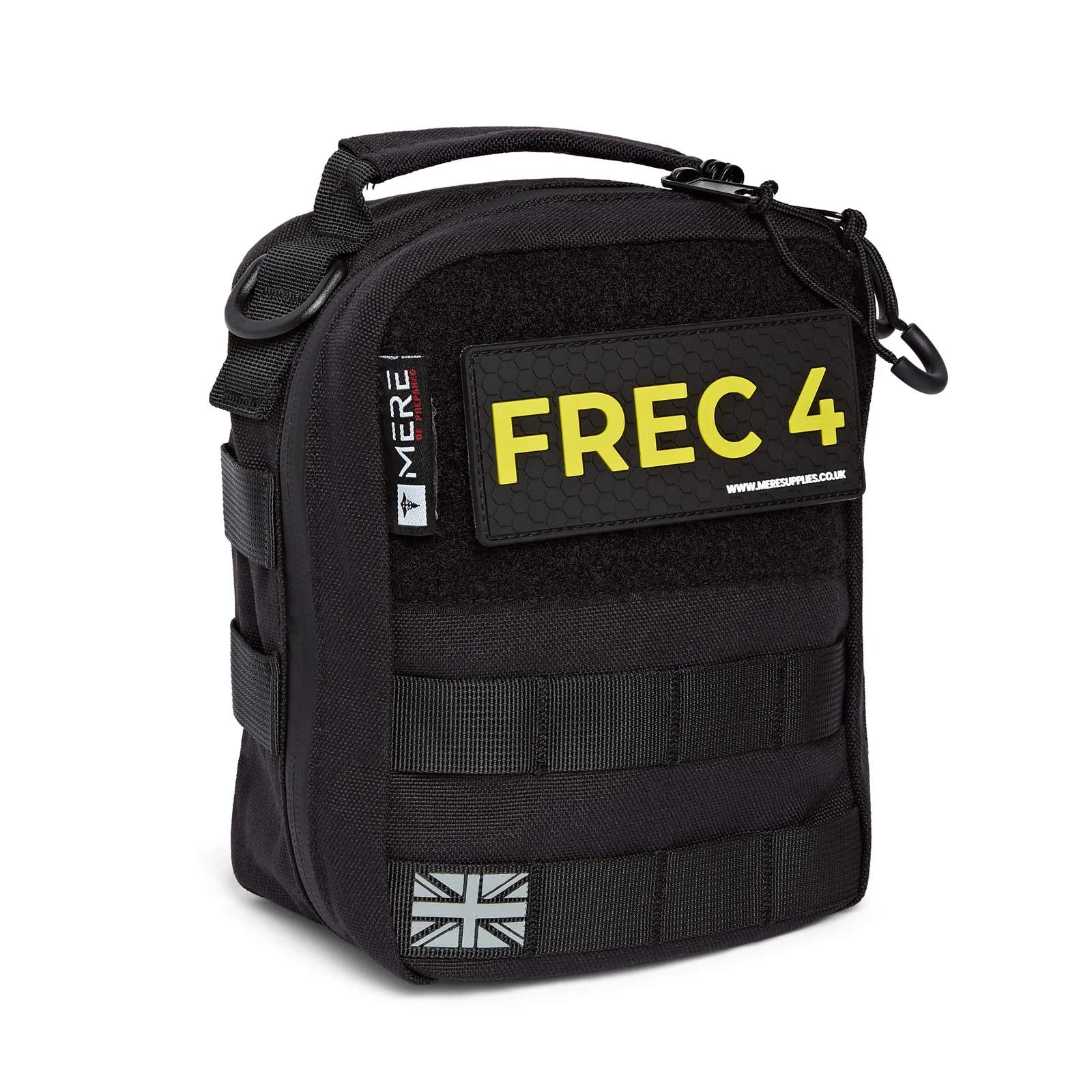
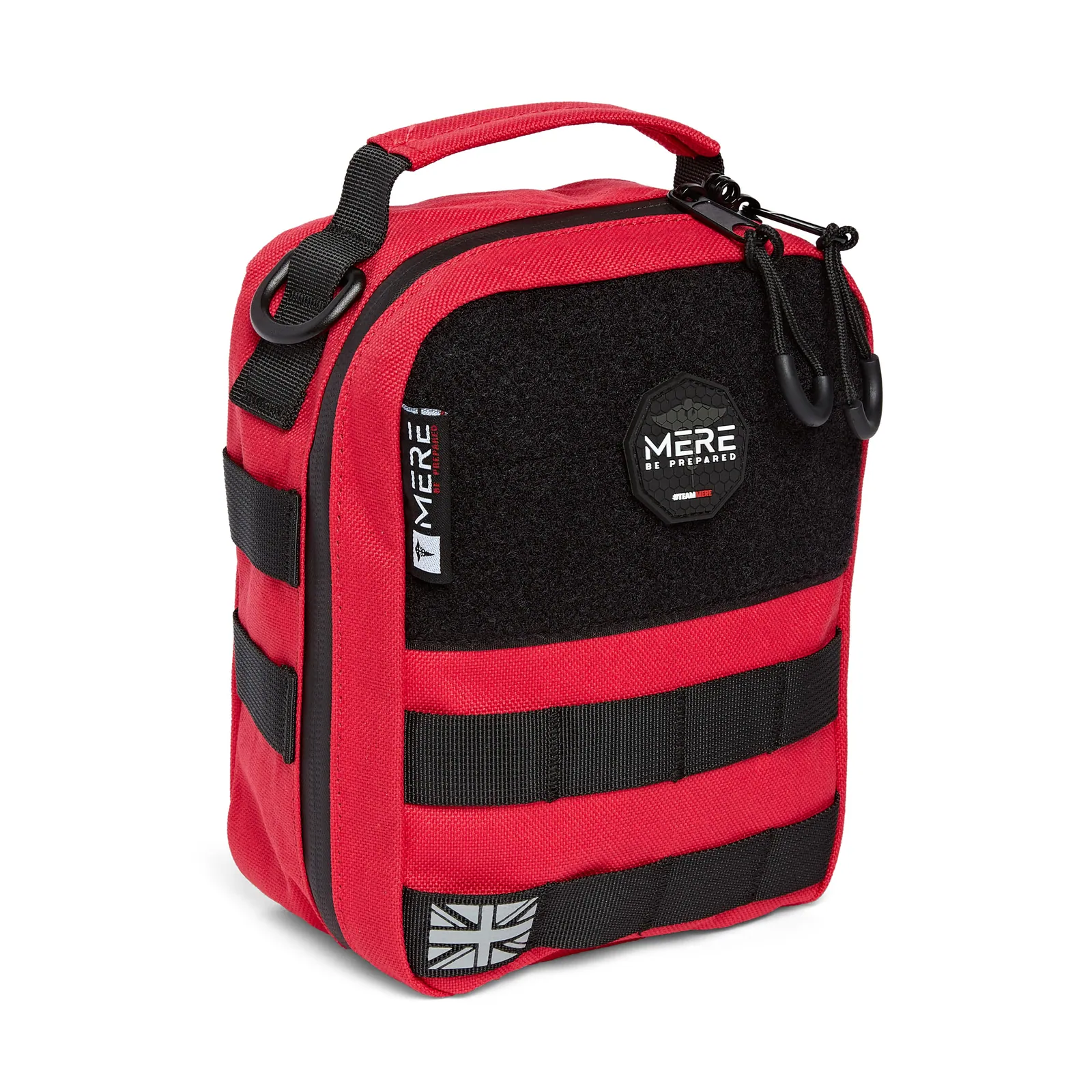
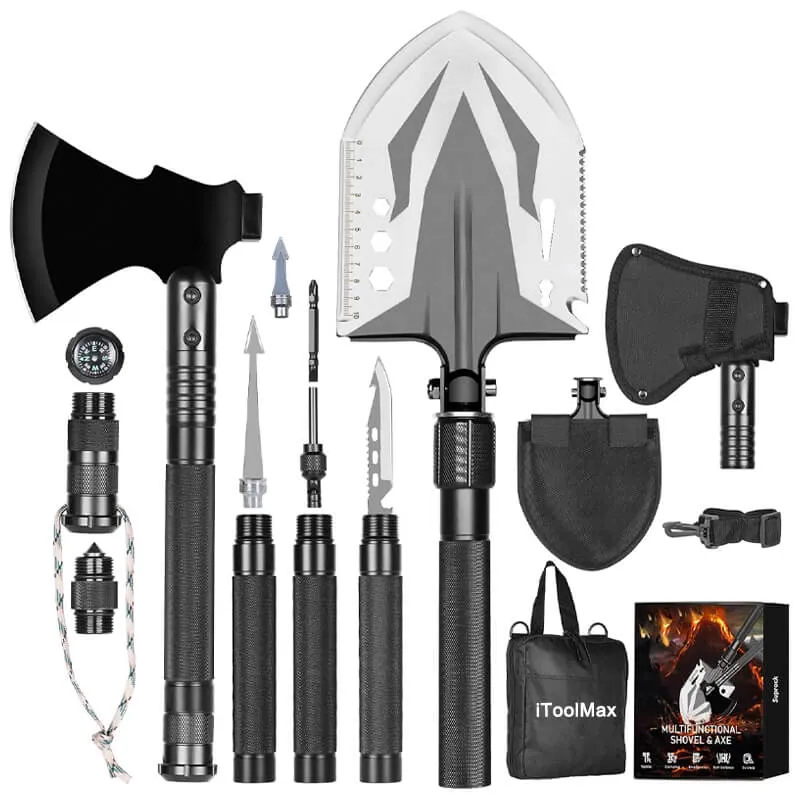
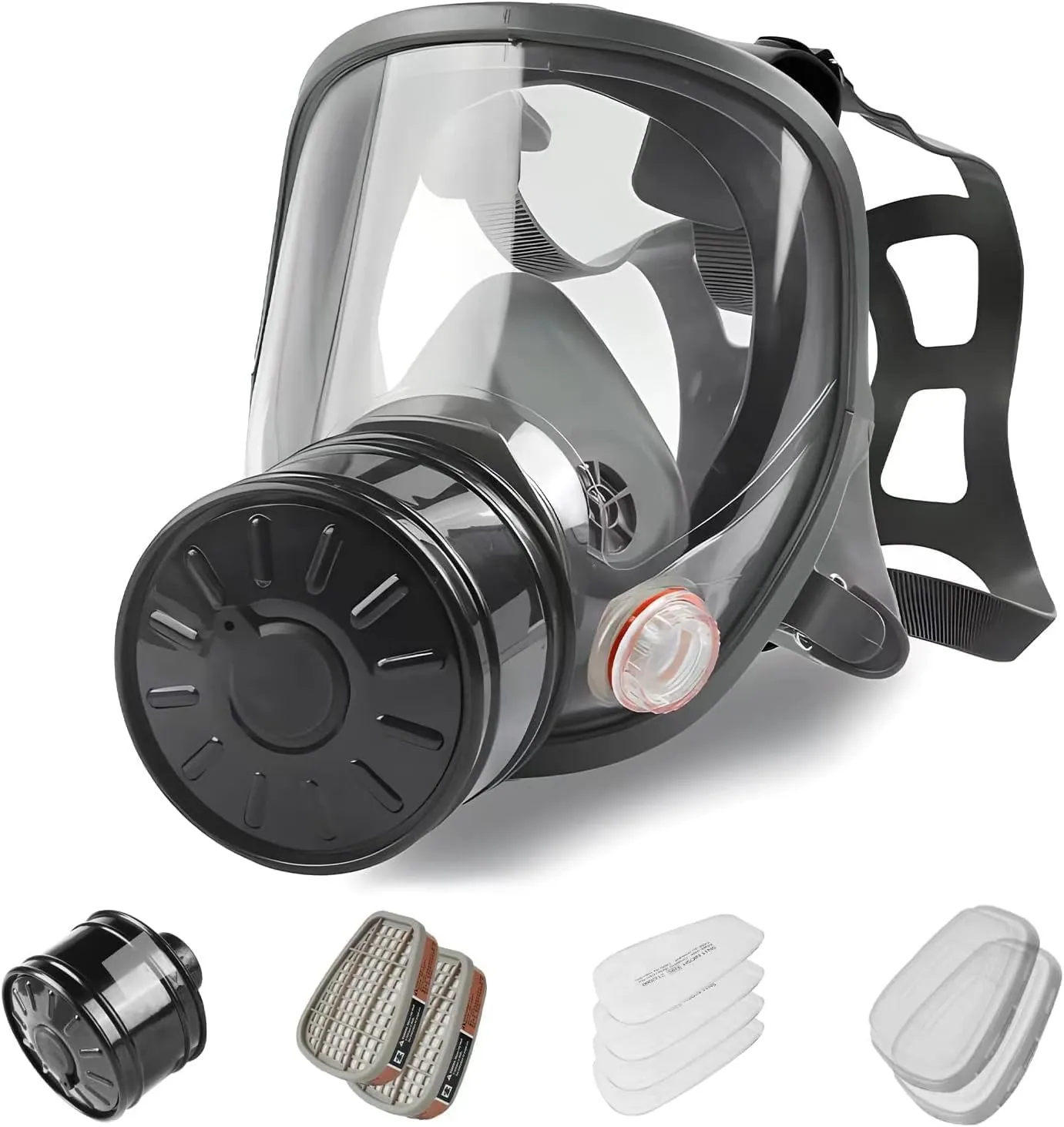
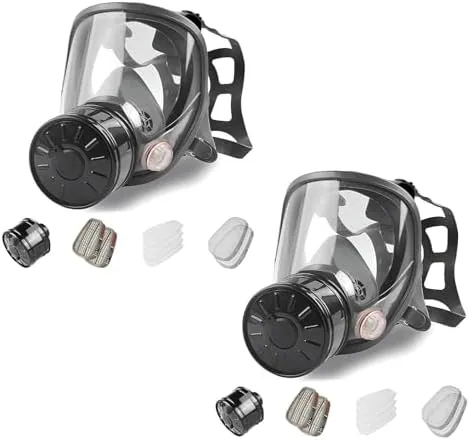
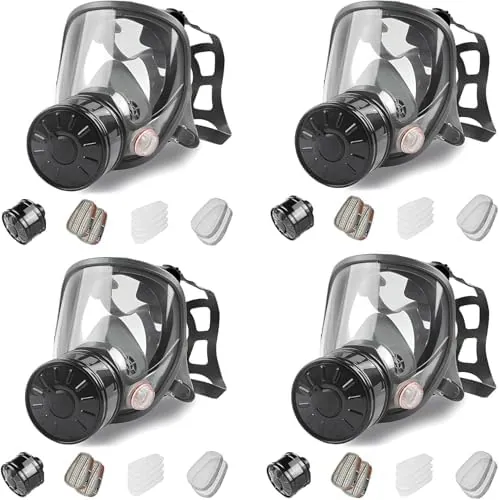
Start with water. A filtration straw or gravity filter turns a river, a rain butt or a questionable tap into something drinkable, and weighs less than the bottled water it replaces. Add trauma care next — a proper kit with haemostatic dressings beats a box of plasters when someone is bleeding. Then light, a cutting tool, and respiratory protection if you live near a major road, port or industrial site.

How big should your survival kit be?

UK government preparedness guidance points at roughly 72 hours of self-sufficiency: three days of water, food, light and medication without outside help. Most people are a long way short. Build for 72 hours first, then extend water storage and food before you buy anything exotic.

Grab bag or home kit?

Both, ideally. A home survival kit lives where you shelter in place and can be heavier. A grab bag stays by the door and holds the compact versions — filter straw, small trauma kit, torch, mask, multi-tool. Buy once, split the duplicates between the two.