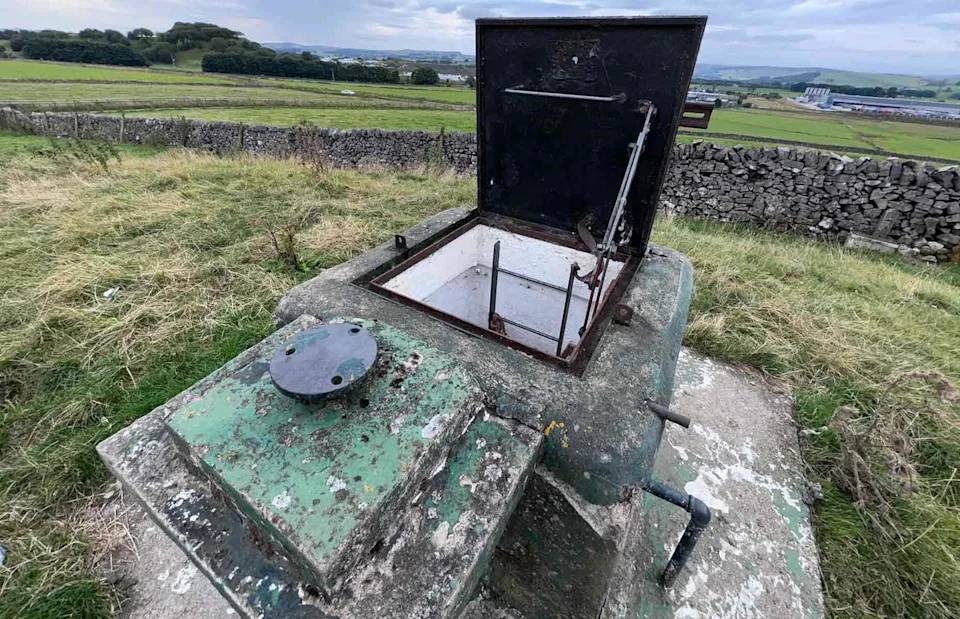
A realistic breakdown of UK survival bunker costs in 2026 — from a converted cellar at a few thousand pounds to a fully engineered buried shelter well past £250,000 — plus planning rules, groundworks, air filtration and the running costs nobody quotes for.
Ask what a survival bunker costs in the UK and you will get answers ranging from £5,000 to £1m, all of them technically true. The spread exists because "bunker" covers everything from a damp-proofed cellar with a stocked shelf to a steel-reinforced, NBC-filtered buried structure with its own power and water. The honest way to price it is by build class, then add the costs that quotes routinely leave out: groundworks, access, services, ventilation and building control.
The cheapest genuine option is a basement or cellar conversion. Most Victorian and Edwardian UK housing stock already has one. Tanking and damp-proofing typically runs £3,000–£10,000 depending on area and method, a fire-rated escape door and decent ventilation adds £1,000–£3,000, and a practical fit-out — racking, bunks, lighting, battery power, water storage — sits at £2,000–£6,000. Realistically £6,000–£20,000 turns an existing cellar into a usable shelter for blackout, storm, civil disorder or contamination events. It will not survive a direct blast, but very few UK threats are blast events.
Next up is a prefabricated buried shelter. These are shipping-container-style or cylindrical steel units, typically 10–20 sq m, delivered and craned into an excavation. Unit prices in 2026 run roughly £25,000–£80,000 for the shell depending on steel gauge, corrosion protection and internal specification. That figure is not the project cost. Excavation, hardcore, concrete slab and surround, backfill, drainage and reinstatement commonly add £15,000–£40,000, and if a crane cannot reach the plot the access works alone can be five figures.
A purpose-built reinforced concrete shelter is the serious end. Poured in situ with a reinforced roof slab, blast-rated hatch, escape shaft and NBC overpressure filtration, these are engineered structures with structural calculations and specialist contractors behind them. Budget £120,000–£300,000 for a family-sized build, and considerably more where you want deep burial, multiple compartments, decontamination airlock and long-duration life support. At this level you are commissioning civil engineering, not buying a product.
The line items people forget are usually the ones that break the budget. Ground conditions dominate: rock, running sand, clay heave or a high water table can double excavation costs and force tanking and buoyancy design so the shelter does not float. Radon is a live issue across the South West, Derbyshire and parts of Northamptonshire and needs a sump and active fan. Then services — armoured power feed, water supply or tank, waste handling or a composting/sealed system, and a data or aerial run — routinely add £5,000–£20,000.
Air is the component you cannot economise on. A sealed room without ventilation becomes dangerous through CO2 build-up long before anything outside does. Basic filtered ventilation with a manual backup blower starts around £1,500–£4,000. A proper NBC filtration set with overpressure, particulate and activated-carbon stages, plus a hand-crank fallback, runs £6,000–£20,000, and the carbon cartridges are consumable — expect replacement every few years or immediately after any real exposure.
Planning and regulation in the UK are more forgiving than most people expect, but do not assume. A wholly underground structure within your residential curtilage can sometimes fall under permitted development, but it depends on excavation extent, proximity to boundaries, whether any part projects above ground, and whether you are in a conservation area, national park, listed building or an area with an Article 4 direction. Building Regulations apply to habitable space regardless — structure, ventilation, means of escape and electrical safety. Get pre-application advice from your local planning authority before you dig; retrospective enforcement on a buried concrete box is not a problem you want.
Running costs are modest but real. Insurance and any premium change, dehumidification (a buried UK structure will fight condensation year-round), battery or generator maintenance, water rotation, filter replacement and food stock rotation together are typically a few hundred pounds a year for a modest shelter and low thousands for a fully serviced one. Damp is what actually kills UK bunkers — not attack, but three winters of neglect.
So what should you actually spend? For the overwhelming majority of UK households the honest answer is that a bunker is the wrong purchase. The realistic domestic threat set here is power cuts, storms and flooding, water contamination, supply-chain gaps, cyber disruption to payments and fuel, and short-notice evacuation. Every one of those is answered by preparation inside the home you already have: 14 days of food and water, independent power and light, heating, comms, medical supplies, secure doors and windows, and a packed grab bag. That package costs hundreds to low thousands, not tens of thousands, and it will be used.
A shelter earns its place in narrower cases: rural properties with long emergency-service response times, homes near industrial or chemical risk sites, households with a specific security threat, or those who simply want a hardened, ventilated space for prolonged shelter-in-place. If that is you, budget the full project rather than the unit — a good working rule in 2026 is that the finished cost lands at roughly double the shelter's headline price once groundworks, services and filtration are included.
Whatever tier you choose, sequence it correctly: sort supplies and home resilience first, then hardening, then structure. A £200,000 bunker with no water rotation plan and a dead battery bank is worth less than a well-stocked cellar and a family that has rehearsed the plan.
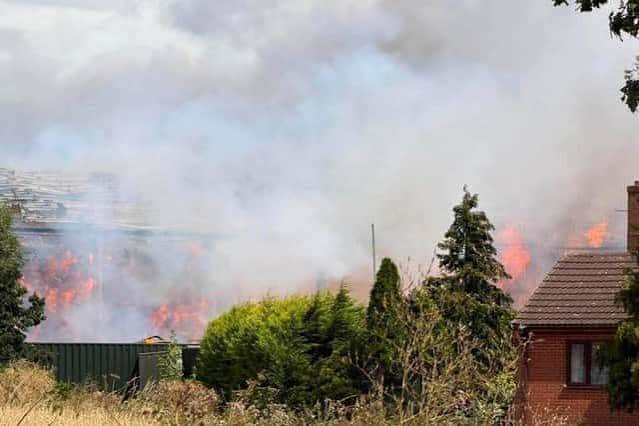
UK Wildfires 2026: What's Burning, Why, and How to Protect Your Home
Britain is now a wildfire country. Here is what is driving the current UK wildfire season, which areas are most at risk, and the practical steps households can take to reduce fire risk and prepare for evacuation.