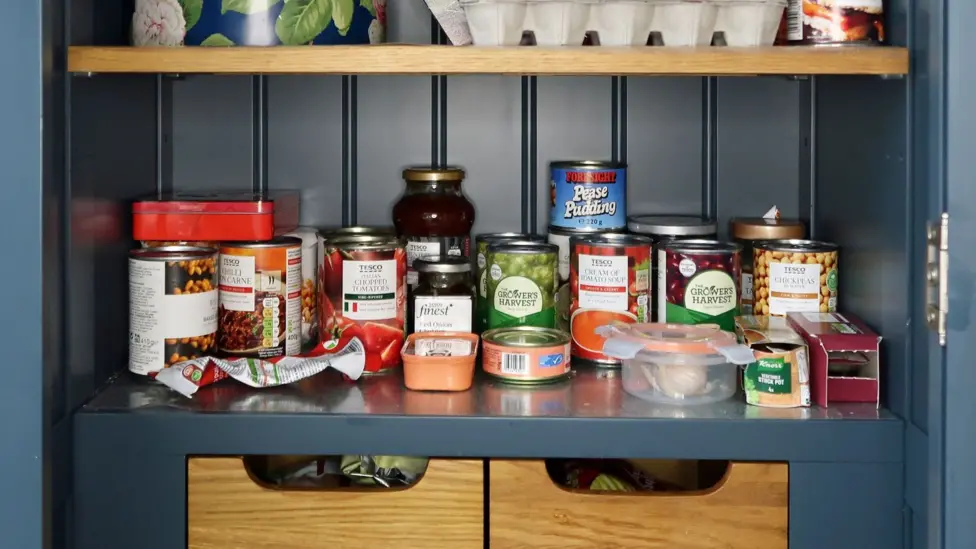
The Environment Secretary has told UK households to stock up on food ahead of the strongest El Niño in a generation, as the National Audit Office warns Britain's food supply chain is exposed to extreme weather, cyber-attacks and disease. Here is what was actually said — and what a sensible household stockpile looks like.
UK households have been told to stock up on food to prepare for extreme weather, as the strongest El Niño event in a generation builds over the Pacific. Environment Secretary Dame Angela Eagle said the phenomenon will bring "drier summers, wetter winters, with more extreme storms in this country", and that households holding a few days of supplies will be "a lot better off" than those relying on emergency services arriving quickly.
The warning landed alongside a National Audit Office report concluding that Britain's food supply chain is vulnerable to plant and human disease outbreaks, cyber-attacks and extreme weather, with climate change as a longer-term chronic risk. Disruption of that kind pushes prices up fast and hits vulnerable households first.
The NAO's sharpest criticism was directed at government rather than the public. It found the Department for Environment, Food and Rural Affairs too reliant on private companies to absorb supply shocks, and said the department has not done enough in recent years to strengthen resilience. It also noted that UK households are markedly less prepared for emergencies than those in Finland, Sweden and much of the EU, where household preparedness advice is routine, and recommended ministers learn from those approaches.
Industry echoed it. Phil Pluck, chief executive of the Cold Chain Federation, told the BBC that Britain is "pretty close to crisis", pointing to Russian cyber-actors who "know that there are pinch points in the food supply system", plus global shipping disruption and pandemic risk. Asked directly whether people should be stocking up, his answer was yes — "some sensible stocking in each household" — and he expects government to say the same in the autumn.
Defra said the report shows food supply risks are becoming more complex, that supermarkets and food businesses have continued to feed the nation through significant disruption, and that it will consider the findings as part of ongoing resilience work. A national preparedness strategy, setting out the practical steps households can take on food and water shortages, is due before the end of 2026.
None of this is a call to panic-buy. Panic buying is itself one of the mechanisms that empties shelves — UK supermarkets typically hold only a few days of stock in the chain, so a sudden surge in demand causes the very shortage people fear. The advice being given is the opposite: build a modest reserve gradually, during normal weeks, so you never need to join a queue.
A sensible starting point is 72 hours of food and water that needs no cooking and no refrigeration, then build towards 14 days. For water that means roughly 3 litres per person per day for drinking alone, plus more for washing and cooking, and a filter or purification tablets as backup. For food, buy what your household already eats in shelf-stable form: tinned beans, pulses, fish, tomatoes, soups and fruit; rice, pasta and oats; UHT milk; peanut butter, honey and cooking oil; and long-life snacks for morale. Rotate stock as you shop so nothing expires unused.
Plan for the loss of power alongside the loss of supply, because in UK storm events they arrive together. A gas or multi-fuel stove with spare fuel, a manual tin opener, battery or wind-up lighting, a DAB/FM radio for official broadcasts, power banks charged in advance, and warm layers cover most of what a multi-day outage actually demands. Add a basic first aid kit and at least a fortnight of any prescription medication.
Extreme weather also brings water contamination and flooding. Filling clean containers before a forecast storm costs nothing, and a straw or gravity filter turns a questionable supply into a drinkable one. If you live in a flood-risk area, store supplies above expected flood level rather than in a cellar or garage.
The underlying message from both the minister and the NAO is that resilience is now expected to be shared between the state and the household. Whether or not the strongest El Niño in living memory delivers everything forecasters expect, a fortnight of food, water, light and heat in the house is a low-cost hedge against the far more mundane events — storms, outages, cyber disruption to payment systems — that hit the UK every single winter.
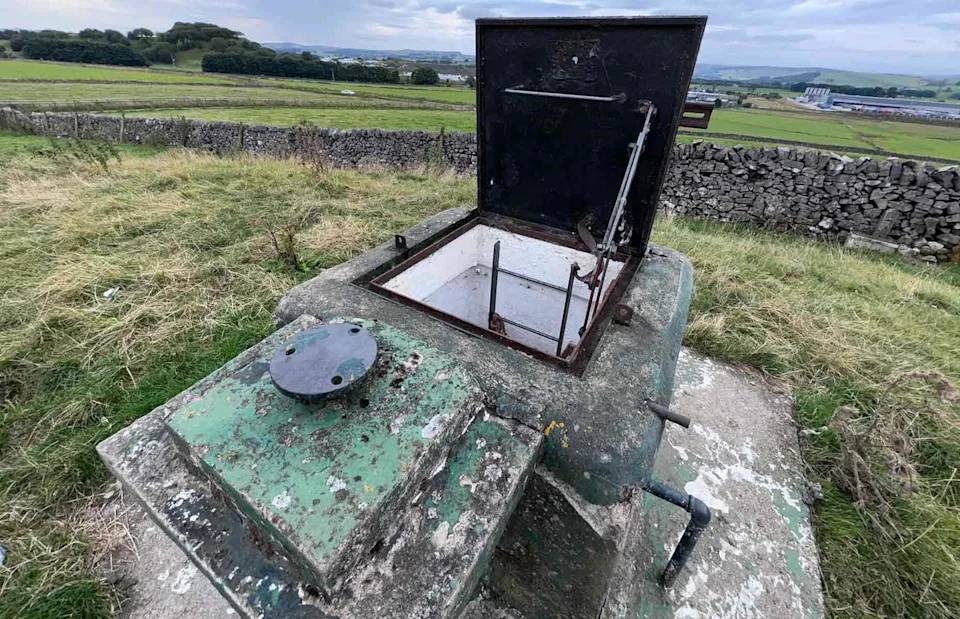
How Much Does a Survival Bunker Cost in the UK in 2026?
A realistic breakdown of UK survival bunker costs in 2026 — from a converted cellar at a few thousand pounds to a fully engineered buried shelter well past £250,000 — plus planning rules, groundworks, air filtration and the running costs nobody quotes for.