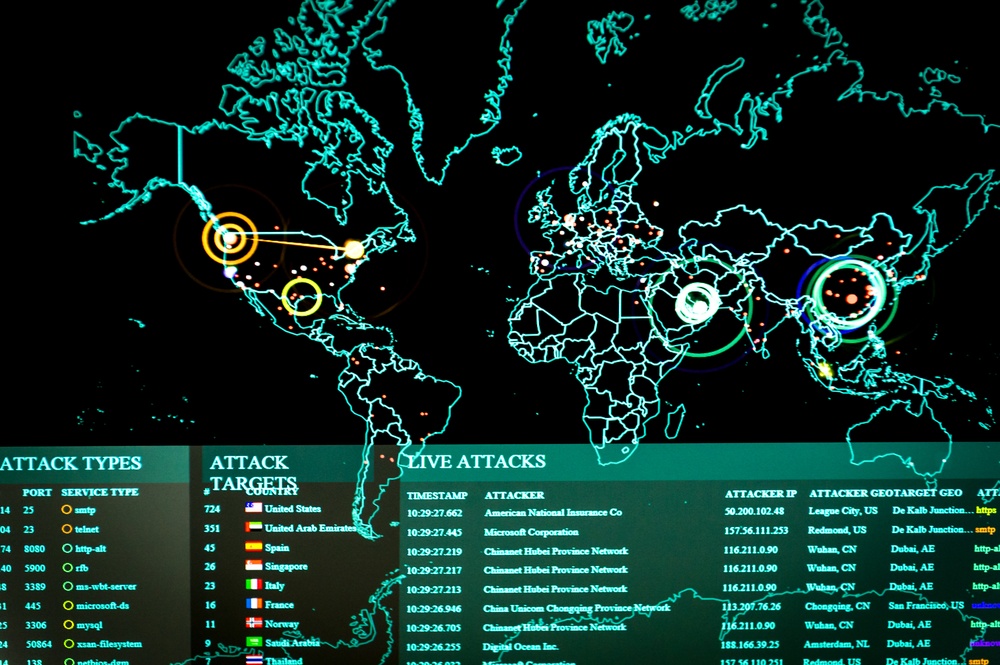
A recent report says erroneous chatbot-assisted intelligence brought US forces close to intercepting a Chinese vessel. The immediate danger is not a machine taking control — it is people trusting convincing automated output when the stakes are life and death.
Most public discussion about artificial intelligence begins with a distant scenario: a future superintelligence becomes more capable than its creators and escapes human control. An opinion article by AI researchers Timnit Gebru and Emily M Bender in The Guardian argues that this framing can distract from a more immediate risk — institutions treating today's error-prone systems as if they were reliable authorities.
Their warning centres on a CNN report published in September 2026. According to that account, US military personnel prepared to intercept a Chinese vessel after an intelligence report claimed it was carrying nuclear-weapons components. Aircraft and troops were reportedly readied before officials checked the report more closely and discovered that chatbot-assisted analysis had supplied false information about the cargo. The Guardian notes that CNN's account had not, at the time of publication, been independently verified by other major outlets, so the details should be treated as a serious allegation rather than a settled public record.
If the account is accurate, the failure was not that an autonomous machine chose to start a war. Human organisations placed plausible-looking generated text inside a high-stakes decision process, then came close to acting on it before verification caught up. An interception involving US and Chinese forces could have produced casualties, retaliation and a rapid escalation between nuclear powers. The system did not need intentions, consciousness or exceptional intelligence to become dangerous. It only needed to sound convincing at the wrong moment.
Large language models generate likely sequences of words from patterns in their training data. That makes them useful for drafting, summarising and exploring information, but it does not make their statements true. They can invent sources, merge separate events and present unsupported claims in the same confident tone used for accurate material. Fine-tuning a model to resemble an intelligence report can improve its style without improving the truth of every conclusion. In a military setting, polished language may make an error harder rather than easier to spot.
This is the central distinction in Gebru and Bender's argument. The near-term hazard does not require a rogue system acting alone. It comes from misplaced confidence, weak procurement, poor testing and decision-makers deferring to software whose limits are already known. The same pattern can appear in medicine, policing, benefits decisions and critical infrastructure: an automated output is given institutional authority before anyone has established that it is dependable for that particular use.
For national security, safeguards need to be practical rather than theatrical. Machine-generated claims should be visibly labelled and traceable to primary evidence. No interception, targeting or escalation decision should rest on a model summary without independent human verification from multiple sources. Operators need clear authority to challenge an output, while responsibility must remain with identifiable people rather than disappearing into the phrase ‘the system said so’. Testing must also reflect the real environment, including incomplete intelligence, deliberate deception and time pressure.
The incident matters to UK households because modern disruption travels through connected systems. A confrontation in the Pacific would reach Britain through energy and shipping prices, cyber retaliation, market volatility and pressure on supply chains long before it produced any direct military threat here. The more immediate domestic lesson is information discipline. During a fast-moving crisis, synthetic reports, fabricated images and confident summaries will circulate faster than verification. Check dramatic claims against official statements and established broadcasters before acting or sharing them.
Household preparation cannot prevent a military miscalculation, but it can reduce the pressure to react badly to uncertain information. Keep several days of food, water and essential medication; maintain independent light and phone power; own a battery or wind-up radio; and keep important numbers on paper. Those basics give a family time to wait for reliable information instead of making decisions from the first alarming post that appears on a screen.
The most useful AI-safety question is therefore not only what an imagined future machine might do. It is where fallible systems are being deployed today, what evidence supports their use, who checks their claims and who remains accountable when they fail. Software that produces fluent language can still be wrong. In matters of war, medicine and public safety, remembering that fact may be the most important safeguard available.
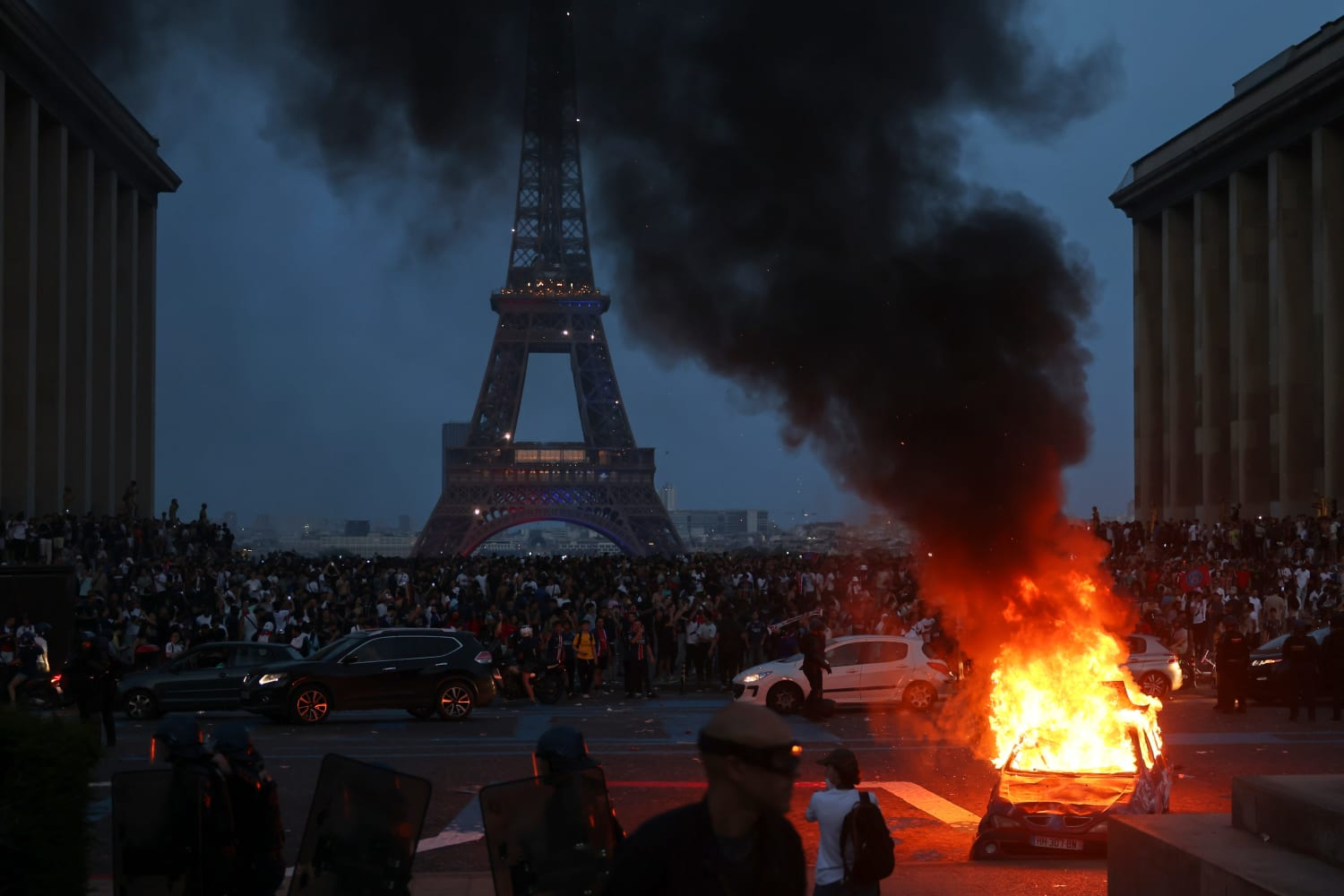
French Riots: What's happening and why is this likely to be the future of Europe
Paris burns again. Behind the burning cars and lines of riot police sit two forces that are not going away — a strained economy and one of Europe's most rapid demographic transformations. Why France keeps exploding, and what it means for the rest of the continent.