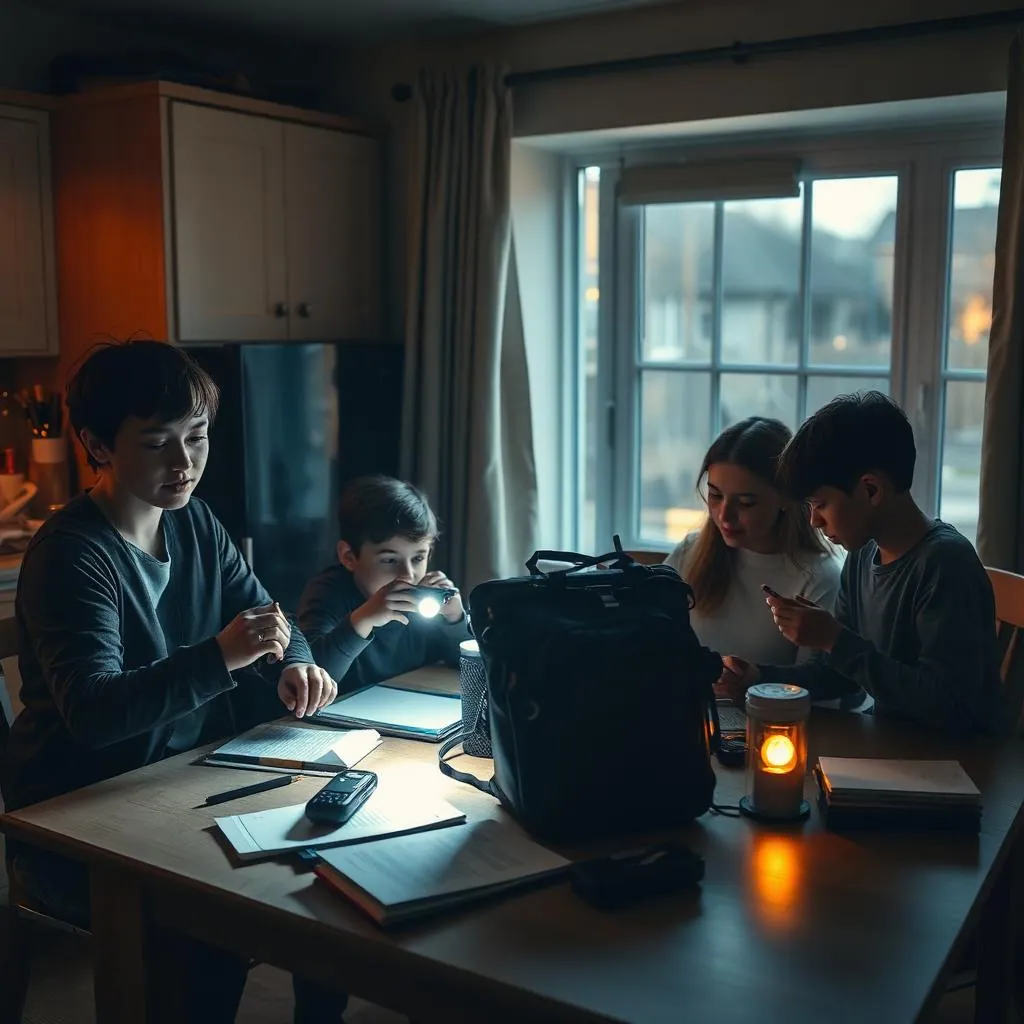
American prepper content gets this wrong for British conditions. Here's what a UK 72-hour bag actually contains — and when it's the wrong tool.
The 72-hour bag is the grab-bag you take if you have to leave home in ten minutes. It is also the single most-copied and worst-implemented survival concept. Most online lists are American, sized for hurricanes and wildfires, and packed with gear that makes no sense on a wet British evening.
It is worth being clear about when it applies. In the UK, sheltering at home is almost always safer. The go-bag exists for the narrow set of cases where the building itself is the hazard: flood, fire, or a gas leak.
Documents first, because they are the hardest to replace. Passports, insurance, birth certificates, a prescription list, and photos of your rooms for insurance claims go in a waterproof pouch at the top of the bag.
Warmth second. British evacuations happen in the rain. A dry base layer, spare socks, a lightweight down jacket and an emergency bivvy weigh under 1kg and change everything about how the next 24 hours feel.
Reachability third. A phone brick with two USB-C cables, a spare bank card, £100 in small notes and coins, a paper map of your area, and a written list of contact numbers — because you don't actually know anyone's number by heart.
Sized right, the whole thing lives in a 30–40L rucksack in the coat cupboard and weighs about 7kg. Check it every six months when the clocks change.

Europe 2026: What Rising Instability Means for UK Households
Not a call to panic — a sober look at what another year of war on Europe's border does to supply chains, energy prices and civil resilience posture.