
Not a call to panic — a sober look at what another year of war on Europe's border does to supply chains, energy prices and civil resilience posture.
The war in Ukraine is now in its fifth calendar year. NATO's largest exercise since the Cold War involved 90,000 troops across the continent. The Cabinet Office has quietly elevated 'attack on UK critical national infrastructure' in the National Risk Register.
None of that means war on British soil. It means the operating environment has changed: energy markets are twitchier, undersea cables and pipelines are in the news for the wrong reasons, and government has clearly decided that household-level resilience is now a policy priority — see the gov.uk/prepare campaign.
The practical read-across for UK homes is modest but real. Expect more frequent price shocks in energy and food. Expect one or two 'events' per year — a cable cut, a cyber incident, a supply disruption — that briefly stress supermarkets and comms.
The household response is not stockpiling weapons or moving to the Highlands. It is exactly what government is now asking: two weeks of food, ten litres of water per person, a way to hear the news without the grid, a first aid kit that isn't a joke, and a written plan for where the household meets if phones don't work.
This is proportional preparedness — the same posture Finland and Sweden have quietly asked their citizens to hold for decades. It's boring, it works, and it's what Crisis Case exists to make simple.
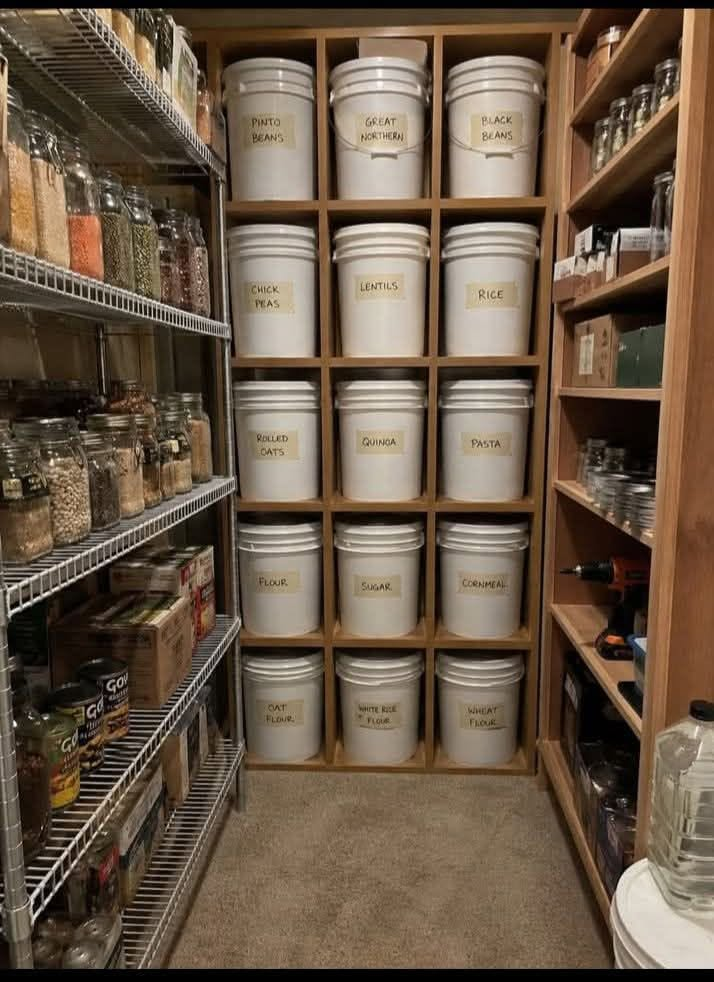
The 14-Day UK Household Food Stockpile
Not a bunker. A pantry. What to actually buy, how to store it, and how to rotate it so nothing is ever wasted.