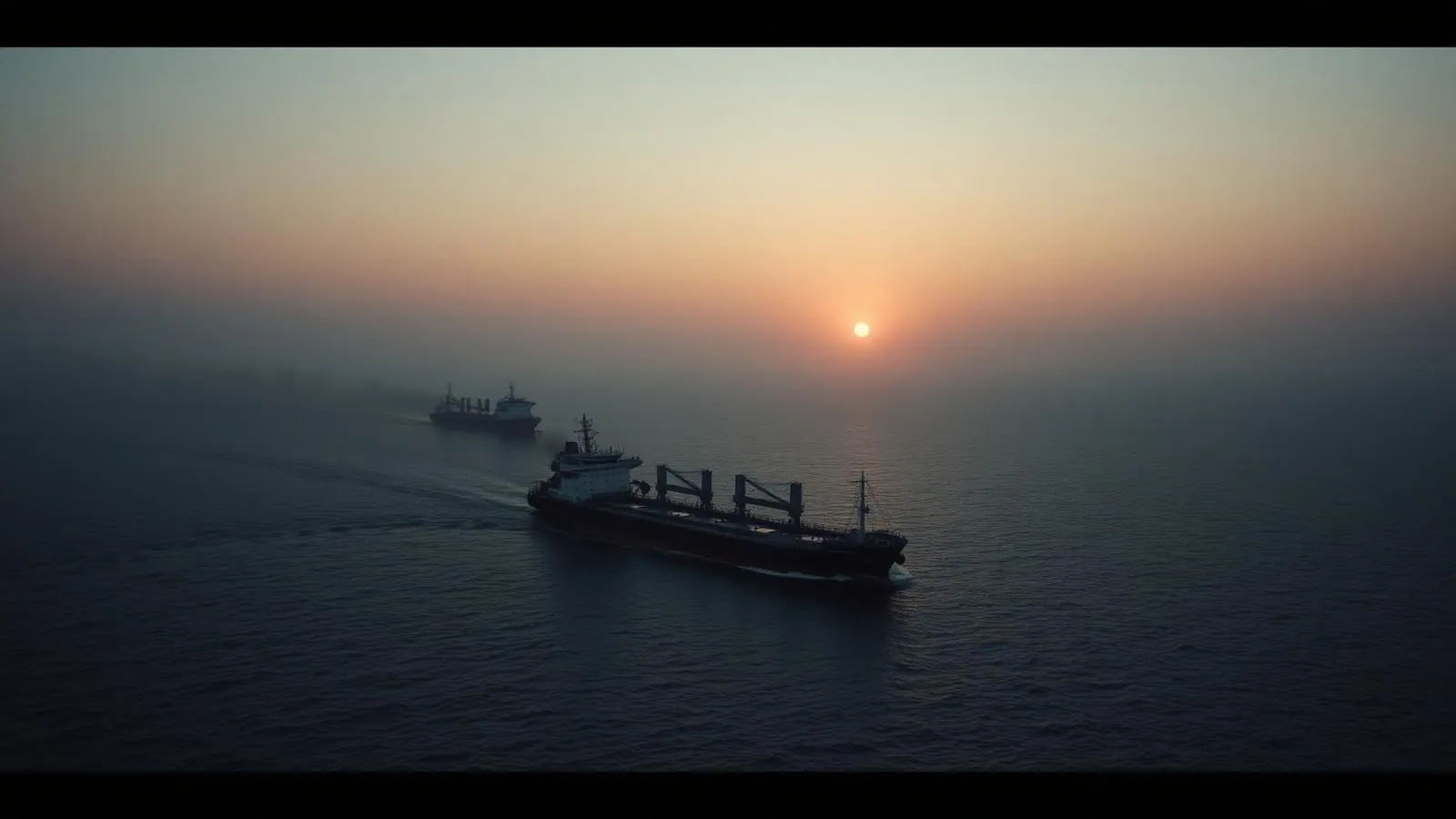
Escalation in the Gulf reaches Britain through three channels — energy prices, shipping, and cyber retaliation. Here is the sober version.
Britain is a long way from the Strait of Hormuz, and it is tempting to file conflict in the Gulf under 'someone else's problem'. That has never been true. Roughly a fifth of global oil and a significant share of liquefied natural gas passes through a channel 21 nautical miles wide at its narrowest point. Anything that threatens that channel prices itself into a British household within weeks.
Channel one is energy. The UK imports a minority of its gas directly from the region, but gas is priced globally. A sustained disruption in the Gulf lifts the wholesale price everywhere, and that flows through the Ofgem price cap with a lag of a few months. The 2022 shock demonstrated the mechanism at scale: a distant war, a domestic bill crisis.
Channel two is shipping and supply chains. Attacks on commercial vessels push insurers to reprice war risk and carriers to reroute around the Cape, adding one to two weeks and significant cost to Asia–Europe freight. The visible effect in Britain is intermittent shortages of specific goods, higher prices, and thinner just-in-time inventories in supermarkets that already hold only a few days of stock.
Channel three is cyber. Iranian-linked groups have a long documented record of retaliatory operations against Western infrastructure — water treatment control systems, logistics and energy operators. The UK's NCSC has repeatedly warned critical national infrastructure operators to raise their posture during periods of Middle East escalation. This is the channel most likely to produce a direct, visible domestic disruption: a regional utility outage lasting hours to days.
What this does not mean is war on British soil, conscription, or anything resembling the scenarios that circulate on social media during every escalation. The realistic worst case for a UK household is a period of higher bills, patchy availability of some goods, and a small but non-zero chance of a short infrastructure interruption.
The proportional response is unglamorous. Hold two weeks of food you already eat and rotate it. Keep ten litres of water per person. Own a battery or solar radio. Keep some cash. If you heat with gas, understand what your fallback is for a cold week. And treat any dramatic claim you see online during an escalation as unverified until a broadcaster confirms it — information operations are part of the conflict, and British households are inside the target audience.
None of that requires a view on the politics. It requires accepting that a narrow waterway several thousand miles away is load-bearing for your monthly bills, and behaving accordingly.

The Complete UK Power Cut Survival Kit
What to actually keep at home — beyond candles and a torch. A UK-specific list for households that want to sit out a 48-hour outage without drama.